Interior design is constantly evolving alongside our lifestyles, values, and everyday needs. Looking ahead to 2026, a clear direction is emerging—homes are becoming more conscious, more personal, and designed with holistic human well-being in mind. Today, it’s no longer about blindly following trends, but about understanding which choices help create an aesthetic, functional, and emotionally harmonious environment.
The 5 Most Prominent Interior Design Trends for 2026
1. Biophilic Design – A Deeper Connection with Nature
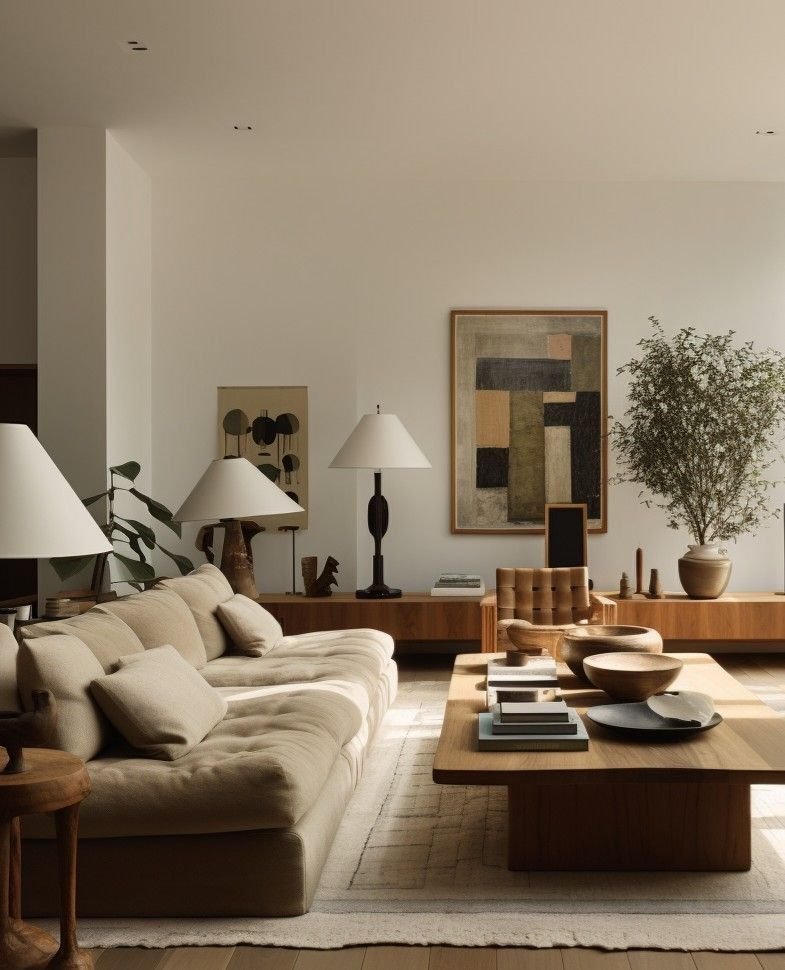
Photo Indie House Designs
In 2026, biophilic design is no longer just a detail—it becomes one of the core principles of interior creation. It’s not just about a plant in the corner of a room, but a conscious effort to integrate nature into everyday living spaces, creating a multi-sensory connection with the natural environment.
What’s trending: Green walls, natural and raw materials such as stone, reclaimed wood, and cork are increasingly common in interiors. There is a strong focus on maximizing natural light, improving air quality, and even incorporating water elements that calm the mind and promote relaxation. This trend acts as a counterbalance to the fast-paced rhythm of urban life.
How to apply it: Install a vertical herb garden in the kitchen, place a striking large plant—such as a fig tree or olive tree—in the living room, or add a small tabletop fountain to a work or relaxation area. For textiles, choose linen, wool, or other natural fabrics.
2. Earthy and Grounding Color Palettes
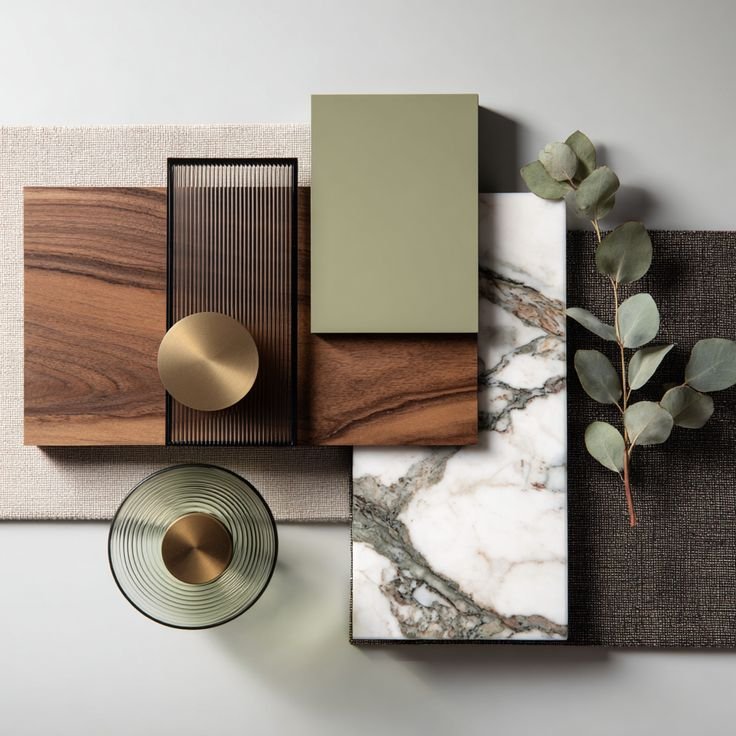
Cool gray tones that dominated the past decade are giving way to warmer, cozier shades. The color trends of 2026 draw inspiration from nature and create a sense of safety and stability.
What’s trending: Terracotta, ochre, olive green, and rich brown are colors that add warmth and depth to a space. They are especially well-suited for living rooms and bedrooms, where a cozy atmosphere is essential. These shades pair beautifully with wood, leather, and stone.
How to apply it: There’s no need to repaint all the walls. An accent wall, a rug, an upholstered piece of furniture, or decorative cushions can be enough to bring more warmth and character into a room.
3. Expressive Maximalism and Conscious Self-Expression
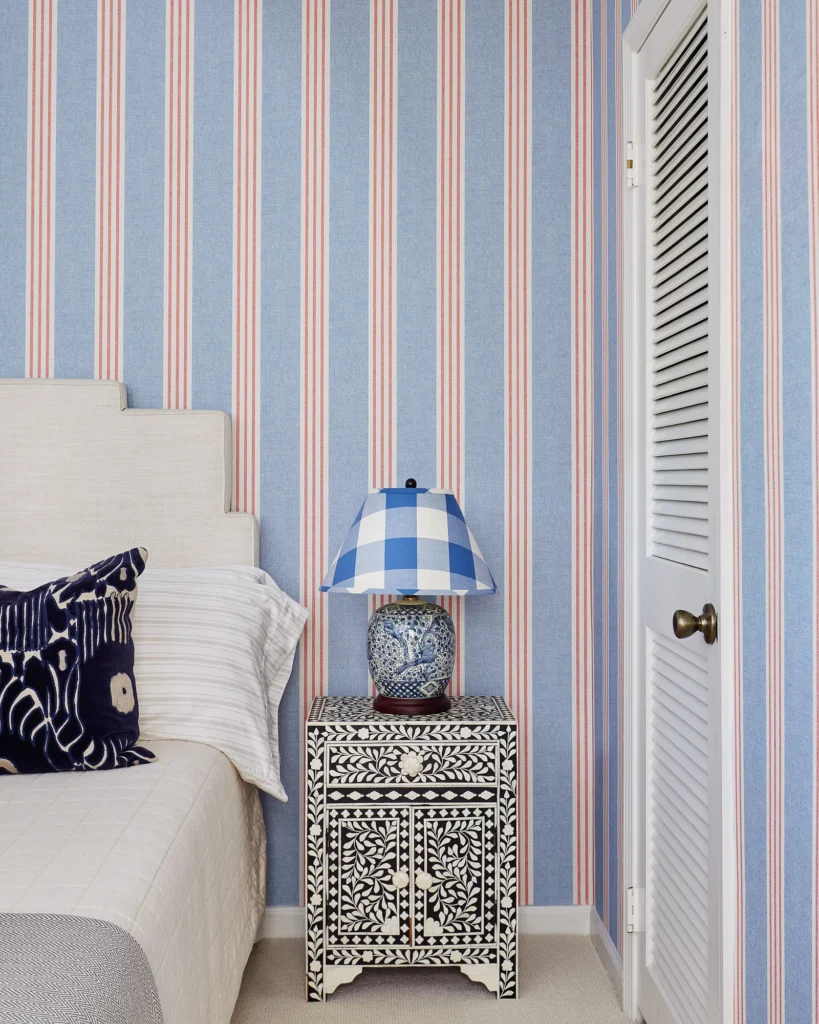
Photo Megan Hopp
Minimalism is stepping into the background, while 2026 encourages a bolder, more personal interior language. Here, maximalism is not about chaos, but about thoughtful and intentional self-expression.
What’s trending: Large-scale patterns, gallery-style walls, bolder color combinations, and the mixing of different eras and textures. Interiors become reflections of personal stories rather than neutral backdrops.
How to apply it: Choose items you truly love and that carry emotional value. Mix different patterns, display artwork, books, or collectible objects. The key is careful curation, not random accumulation.
4. Sustainable and Circular Design – The New Standard
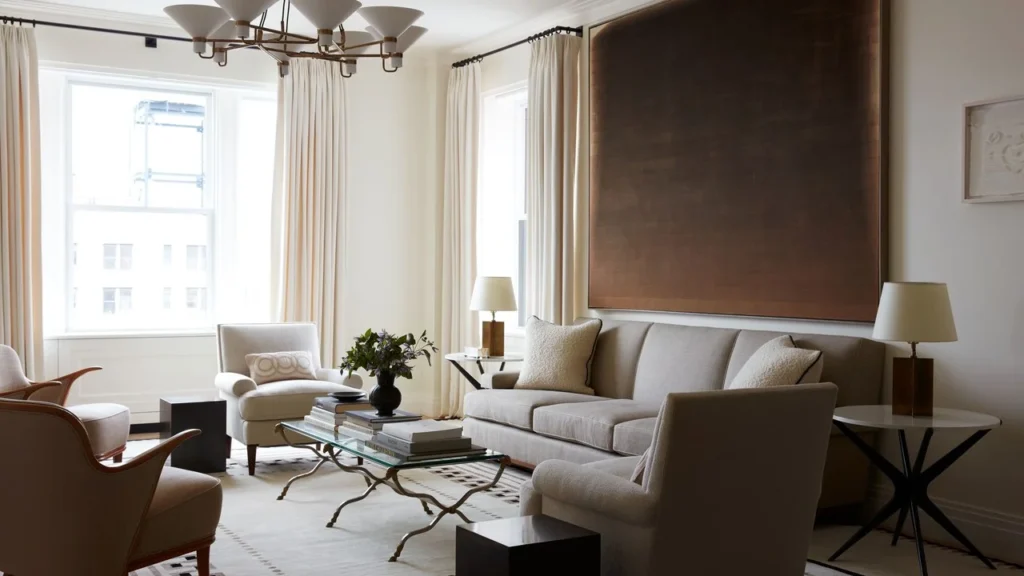
Photo Alyssa Kapito
In 2026, sustainability in interior design becomes a given. The focus shifts from simply eco-friendly solutions to circular design, which promotes longevity and responsible consumption.
What’s trending: Investing in high-quality, durable furniture, choosing vintage and antique pieces, using recycled materials, and opting for furniture that can be repaired or refreshed. These are conscious decisions that benefit both the home and the environment.
How to apply it: Choose a unique vintage coffee table instead of mass-produced furniture, invest in a sofa with replaceable covers, and use lighting fixtures made from recycled materials.
5. Multifunctional and Easily Adaptable Spaces
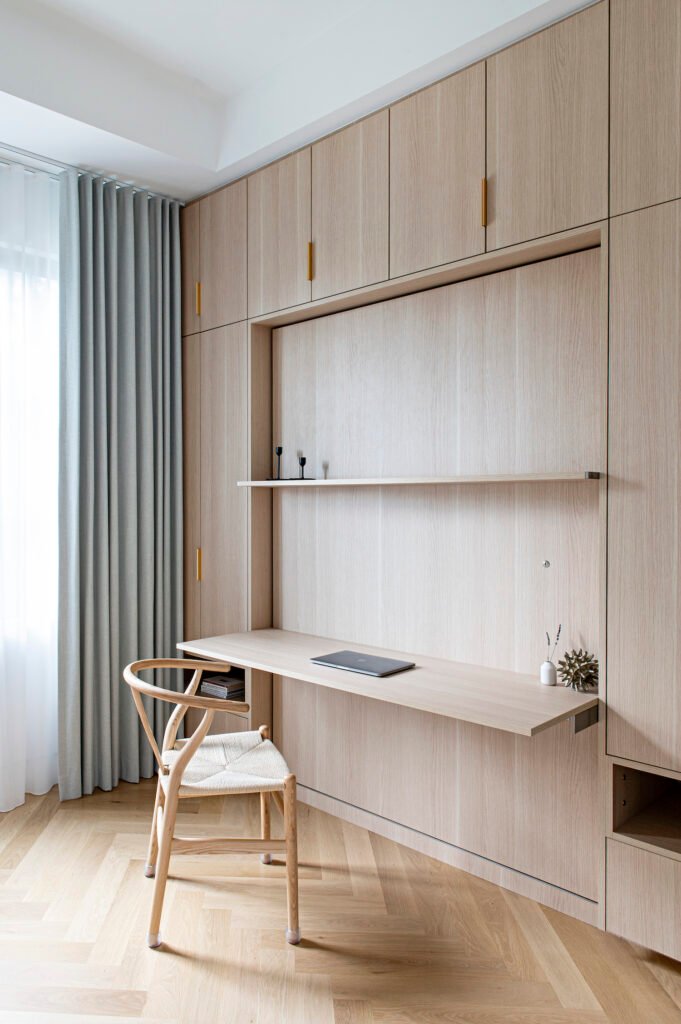
Photo Studio Tasso
Changing lifestyles demand new solutions. Homes must adapt to work, rest, and leisure within the same space.
What’s trending: Rooms that can change function—a bedroom that doubles as a workspace, or a living room adapted for both exercise and relaxation. This is achieved through modular furniture, smart storage systems, and flexible layouts.
How to apply it: Use shelving units or partitions to separate zones, and choose compact, aesthetically pleasing furniture that can be easily transformed according to your needs.
The core message of 2026 interior design is authenticity and personal well-being. Homes are no longer created for display—they are created for living. Whether you’re drawn to biophilic design, expressive maximalism, or practical multifunctional spaces, the most important trend of 2026 is you and your lifestyle.