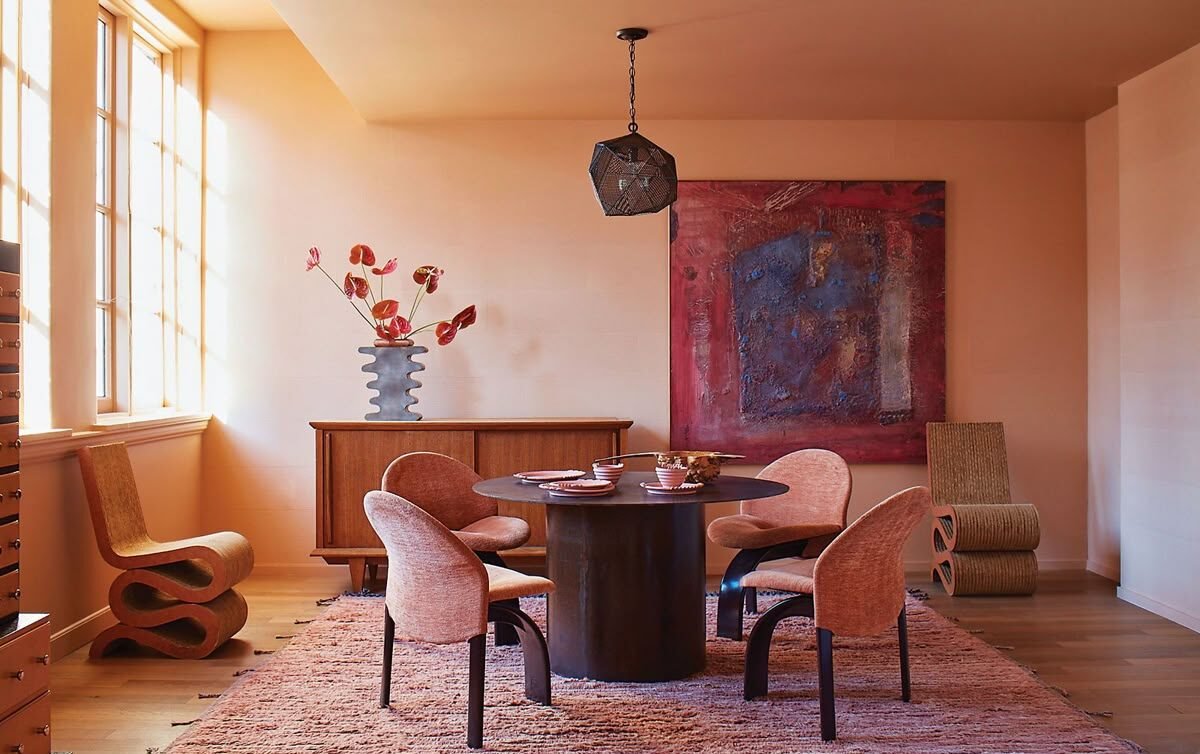
In 2026, interior design is undergoing a quiet but fundamental change. Luxury is less and less associated with glitz or ostentatious decor. Instead, a new aesthetic is emerging – calm, authentic, and responsible. These are interiors where every material has a provenance, every piece of furniture has a history, and design decisions are made with not only beauty but also environmental impact in mind.
Today, sustainability in interior design is no longer just a trend. It is becoming a new standard in design – one that combines architecture, technology, craftsmanship, and the human relationship with nature.
The new luxury: less, but better
A decade ago, interior design was often focused on novelty and visual impact. Today, more and more designers are talking about “slow design”—a slower, more conscious creative process in which objects are created not for a season, but for decades.
This approach also changes the very concept of luxury. Instead of rapidly changing trends, long-lasting solutions are emerging: solid wood furniture, natural fabrics, handmade objects. These are interiors that do not age over time, but gain even more character.
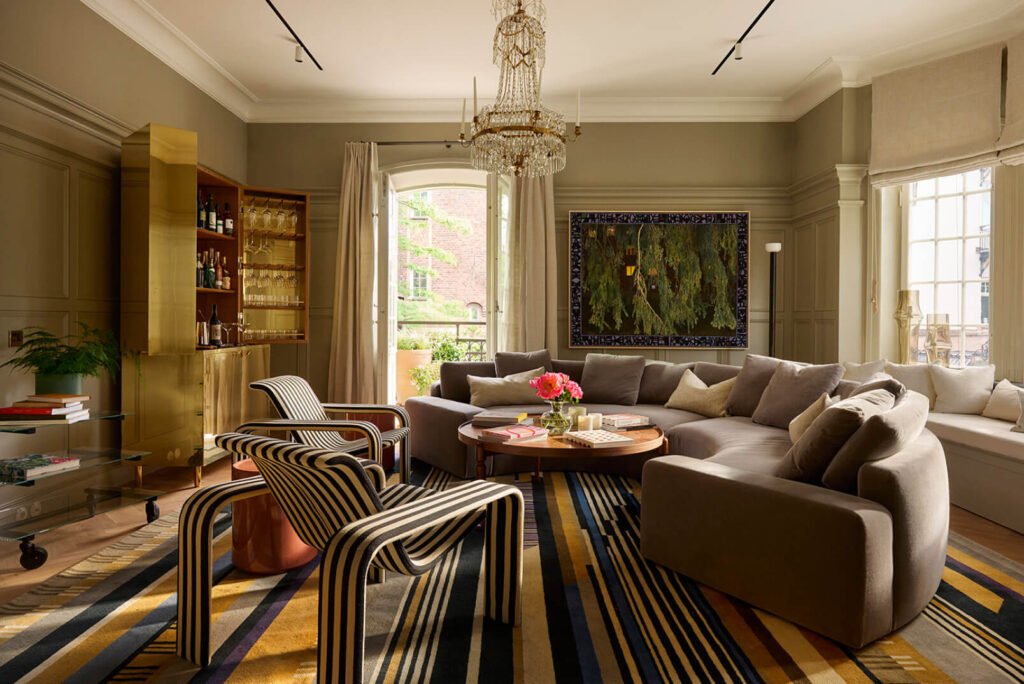
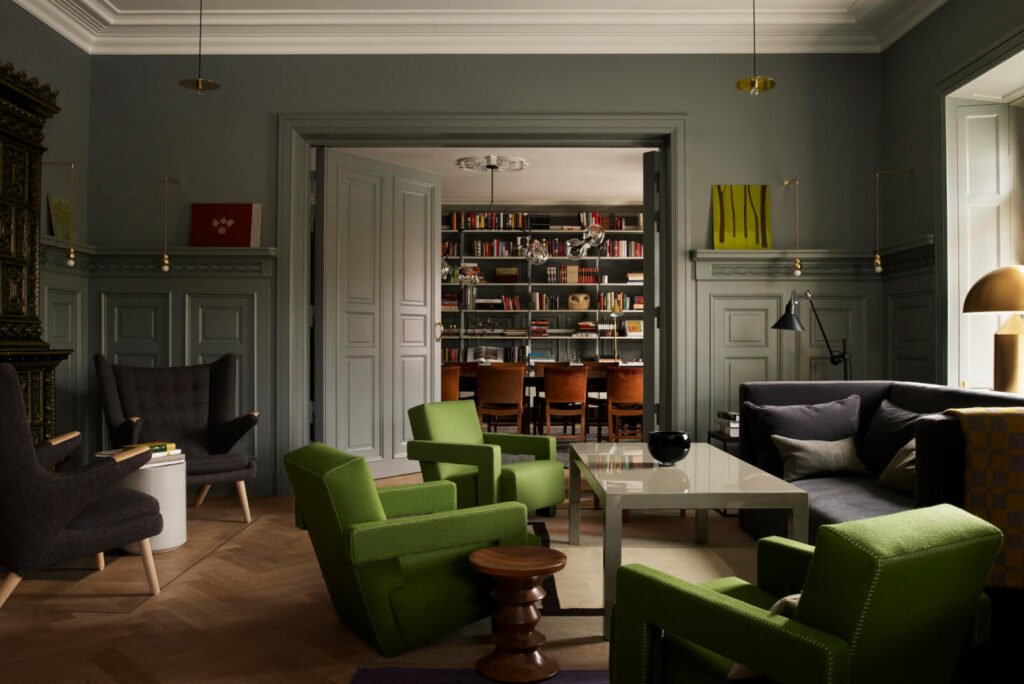
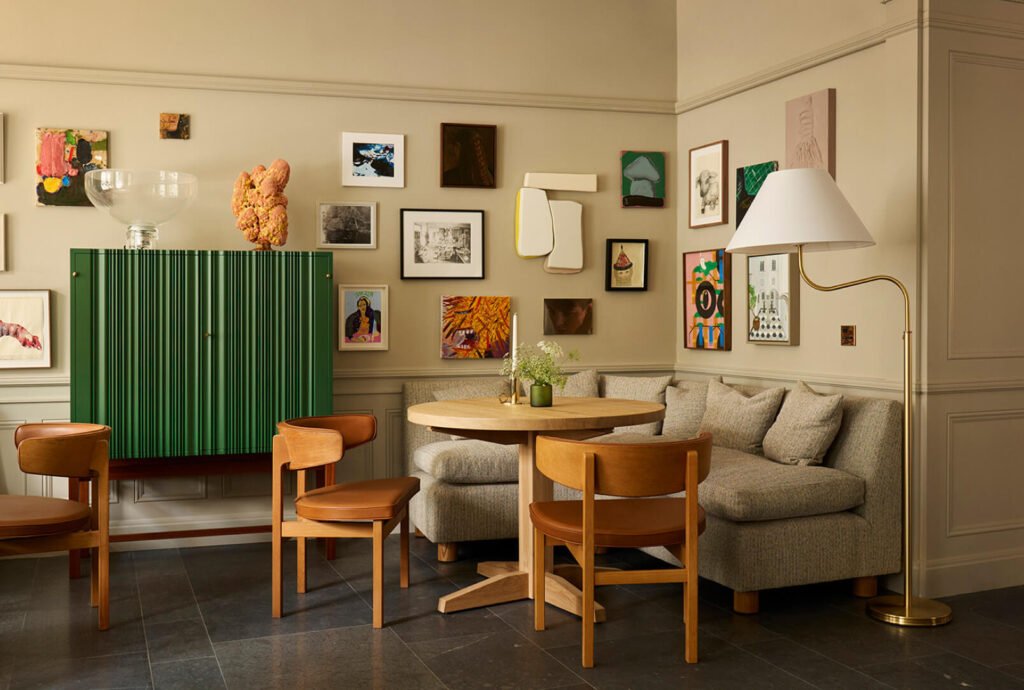
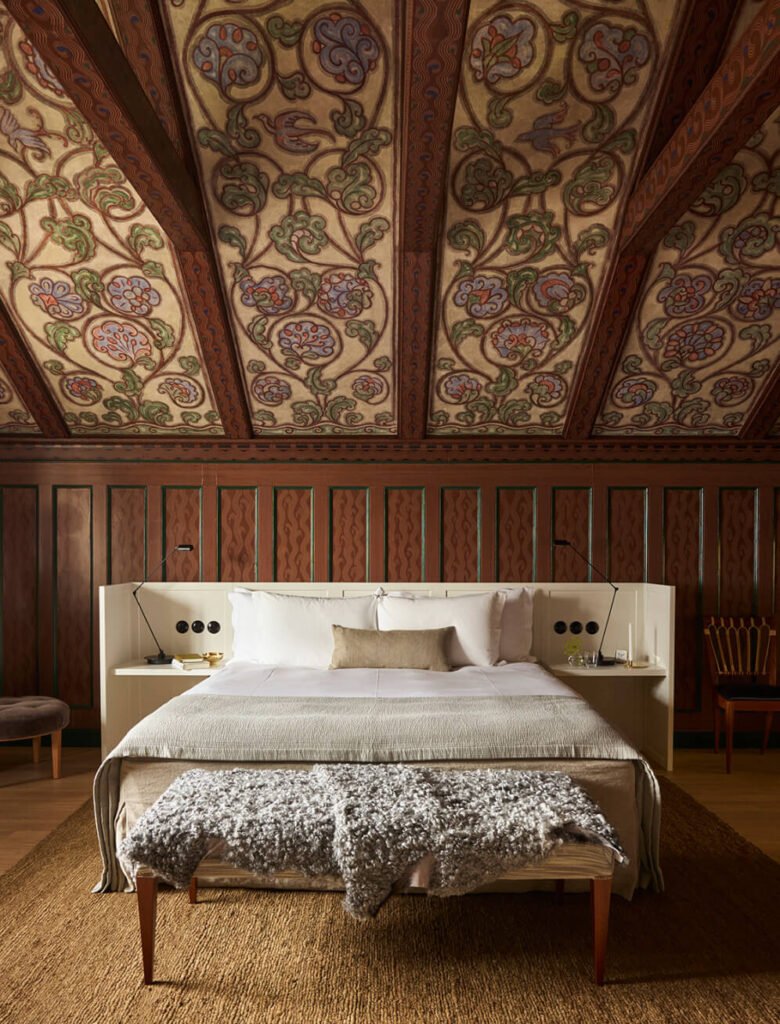
British designer Ilse Crawford is one of the most prominent representatives of this approach. The interiors she creates are characterized by a warm, cozy atmosphere and a highly sensory aesthetic. Crawford is known for designing spaces with human senses in mind—how a table feels to the touch, how light falls on a wall, or how fabric absorbs sound.
One of her most famous projects is Ett Hem (Swedish for “home”) in Stockholm, which is considered one of the most striking examples of contemporary Scandinavian interior design. This boutique hotel is housed in an early 20th-century residence and designed to resemble a private home rather than a traditional hotel. The interior is dominated by natural materials—wood, wool, linen, stone—and a warm, neutral color palette. Crawford’s design philosophy in this project is focused on the human experience: cozy living rooms, fireplaces, soft furniture, and handmade details create an intimate, lived-in atmosphere. The result is a space where luxury is felt not through decoration, but through comfort, quality, and authenticity.
Natural materials – the basis of the new design
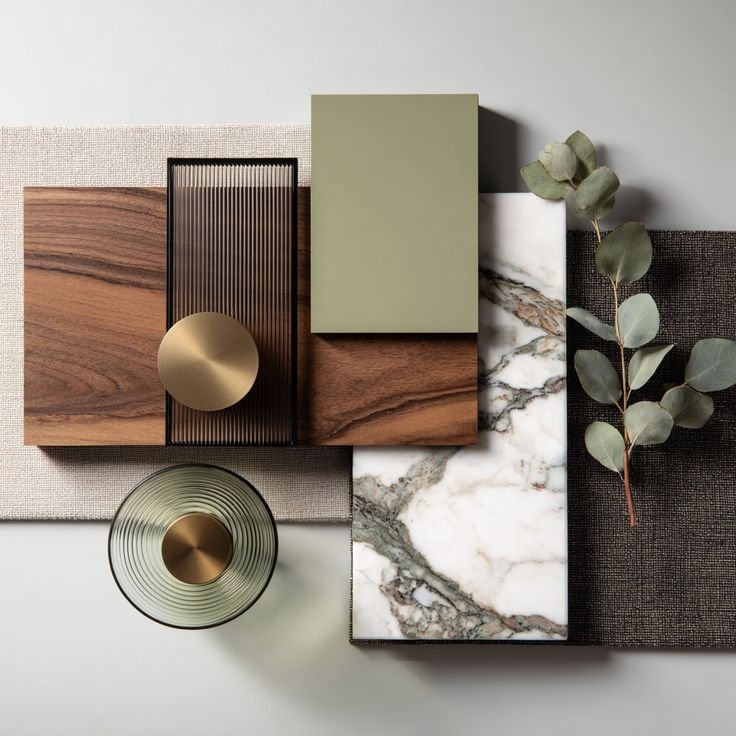
The aesthetics of sustainable interiors are primarily revealed through materials. In 2026, designers are increasingly choosing surfaces that look authentic and natural.
The most popular materials are:
Such materials are not only aesthetic but also functional—they regulate humidity, improve the microclimate of the premises, and age beautifully.
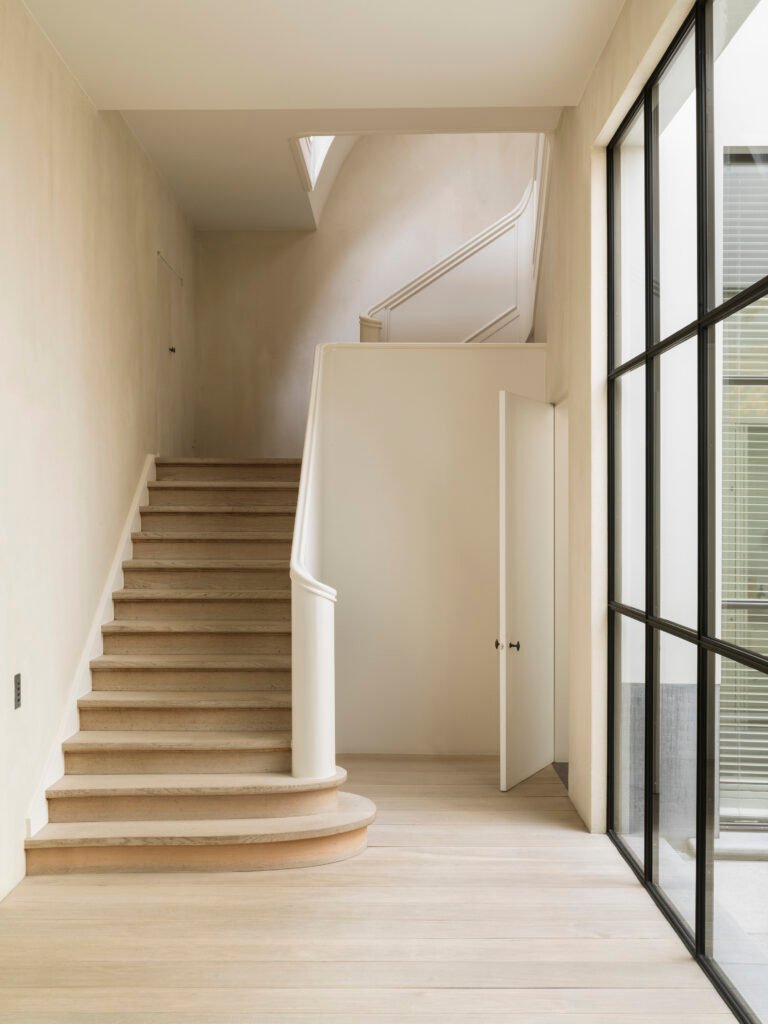
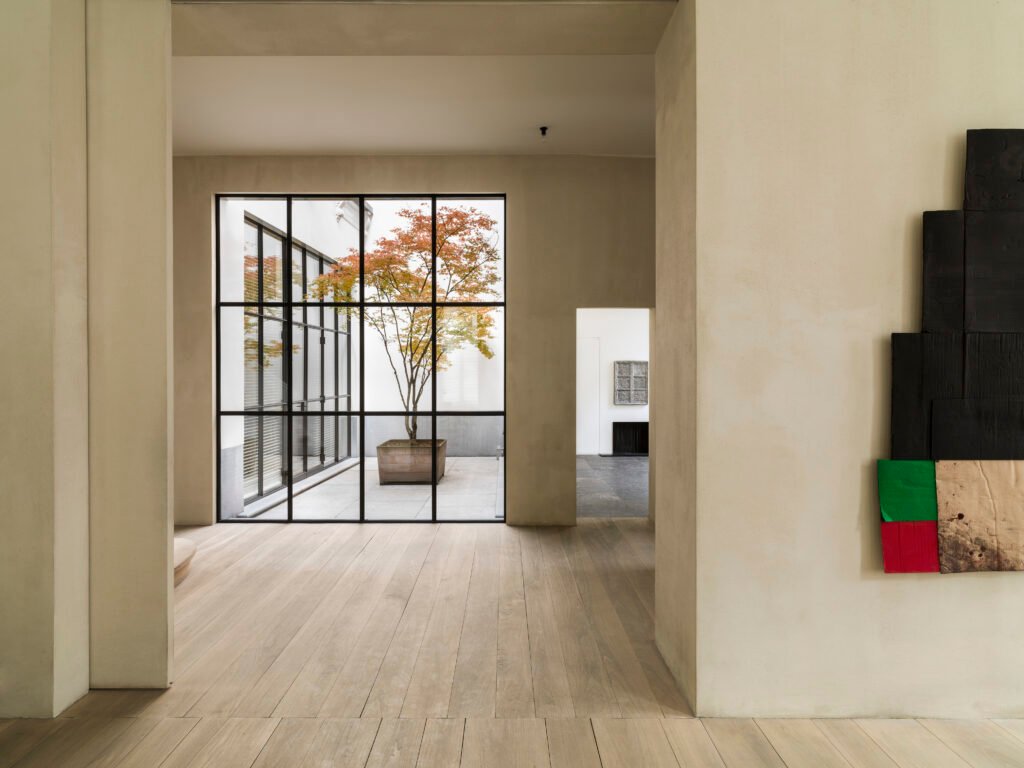
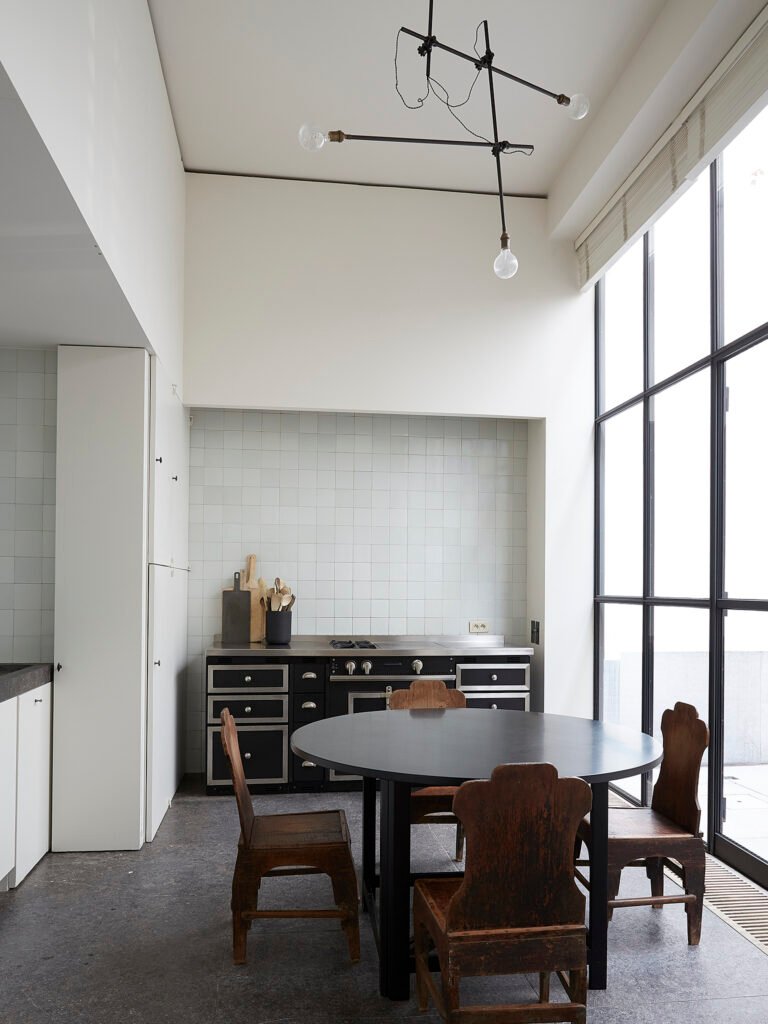
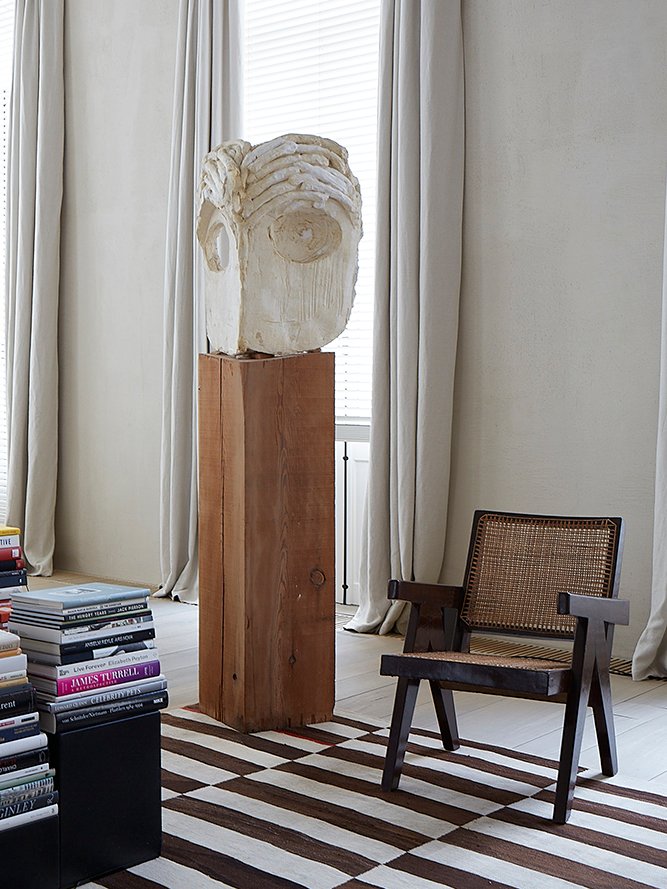
One of the most famous projects by Belgian architect and designer Vincent Van Duysen is the VVD II Residence in Antwerp. It is the architect’s family home and, at the same time, a manifesto of his creative philosophy. The house was designed based on the principles of minimalism and natural materials. The interior is dominated by stone, light oak, clay plaster, and glass. These materials are not only aesthetic but also durable, which is one of the most important principles of sustainable design. The spaces are designed so that natural light becomes the main element of the interior. Large windows open up views of the inner courtyard and garden, blending the architecture, interior, and landscape into a single whole.
Furniture with history
Another important trend for 2026 is the reuse and restoration of furniture. Instead of buying new furniture, more and more people are choosing vintage designs or restoring old items.
These can be:
Such objects give the interior character and authenticity and allow the history of design to be preserved.
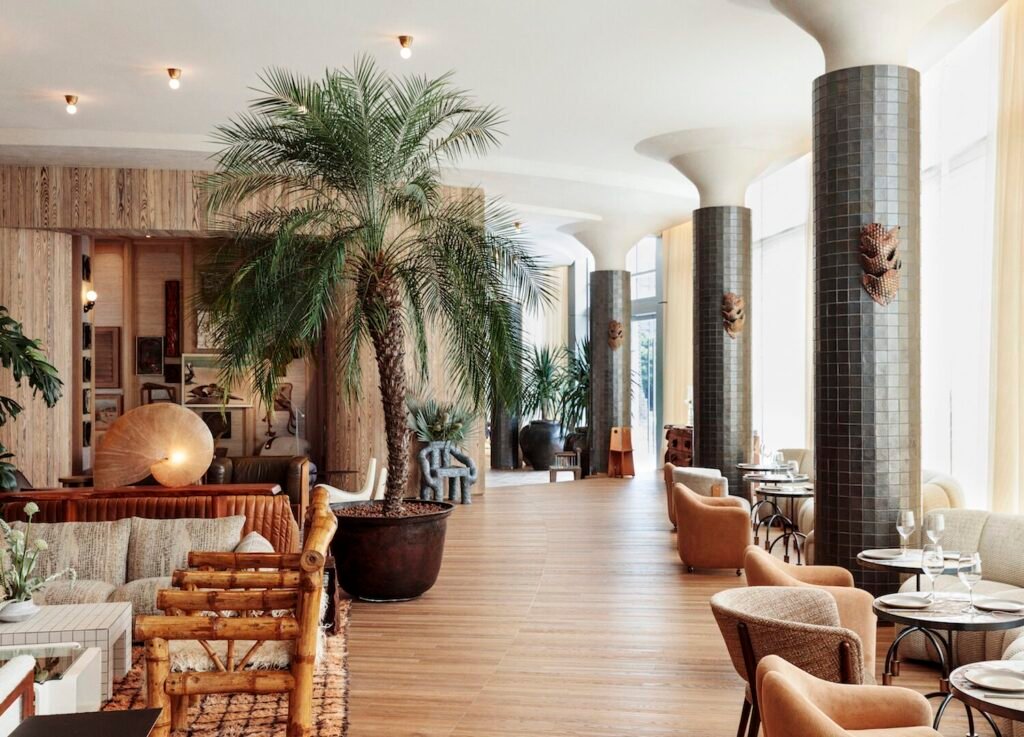
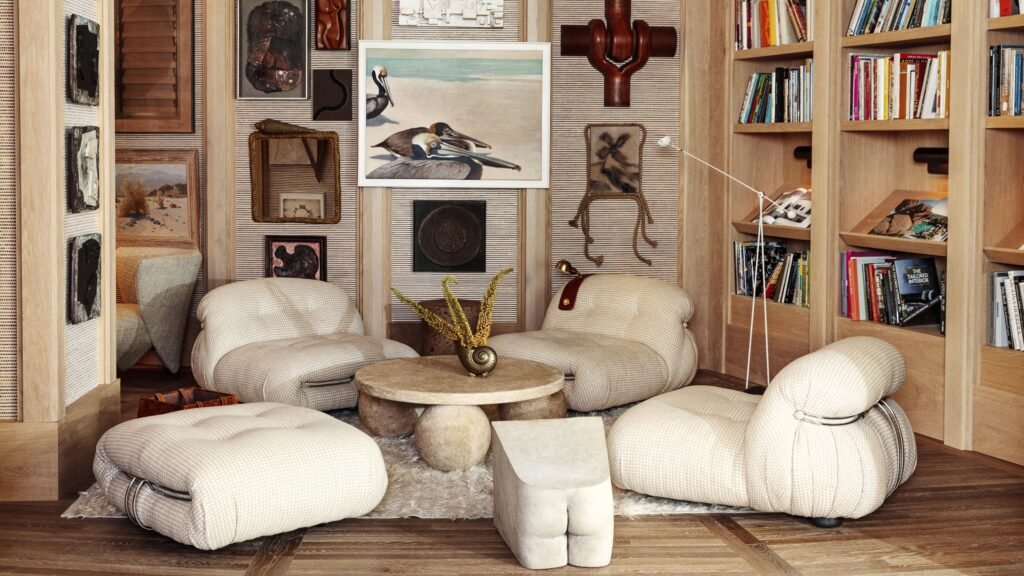
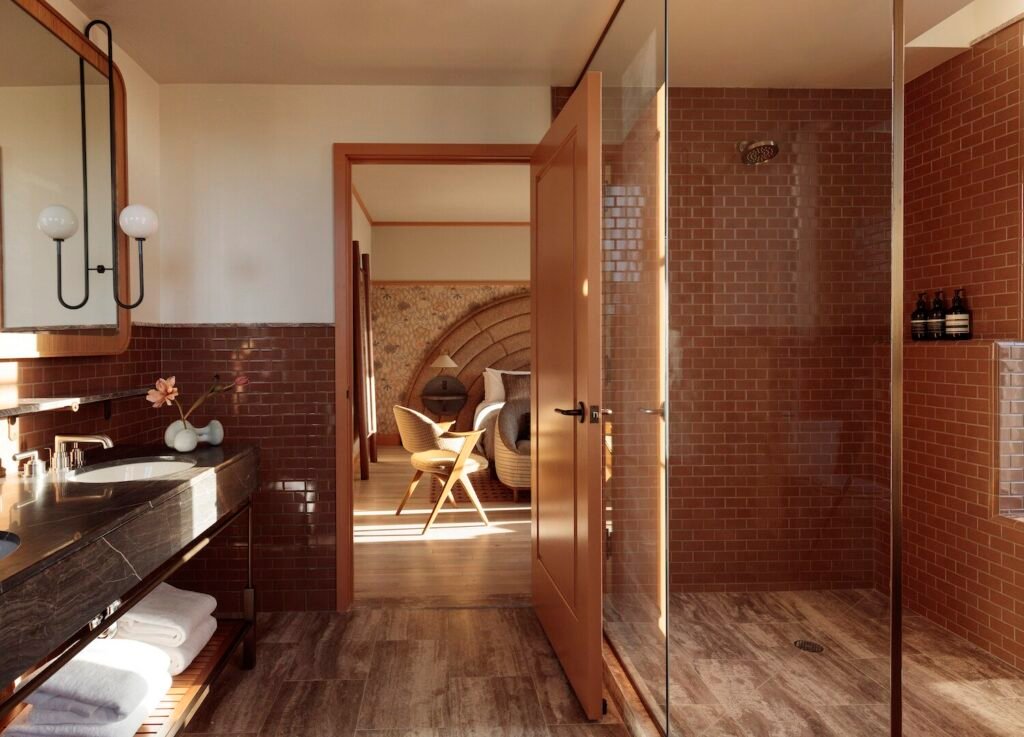
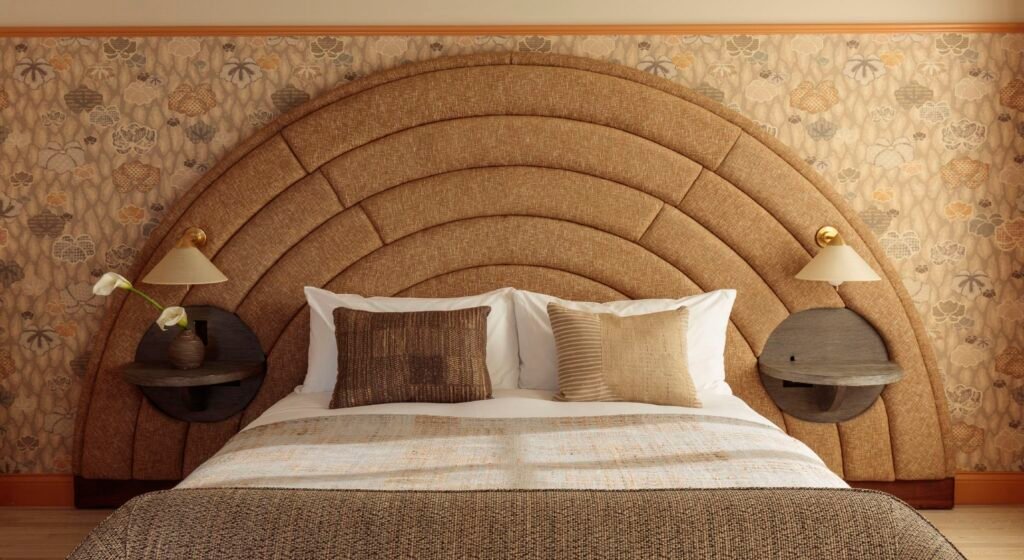
American designer Kelly Wearstler often combines modern architecture with vintage furniture and art objects in her projects. One of the most striking examples is the Santa Monica Proper Hotel in California. The hotel is housed in a historic building from the 1920s, and Wearstler’s interior combines modern design with the local tradition of architecture and art. The spaces are dominated by natural materials – wood, ceramics, linen and stone – as well as handmade furniture and vintage objects. The interior is characterized by an eclectic style: sculptural chandeliers, textured fabrics, warm earthy colors and works by artists create a lively yet harmonious atmosphere. The project reflects the principles of sustainable design – attention to material quality, local craftsmen and long-lasting design.
Biophilic Design: Connecting with Nature
Biophilic design is another important direction in modern interiors. This concept is based on the idea that a person naturally feels better in an environment that resembles nature.
In practice, this means more natural light, plants and organic forms. In the interiors appear:
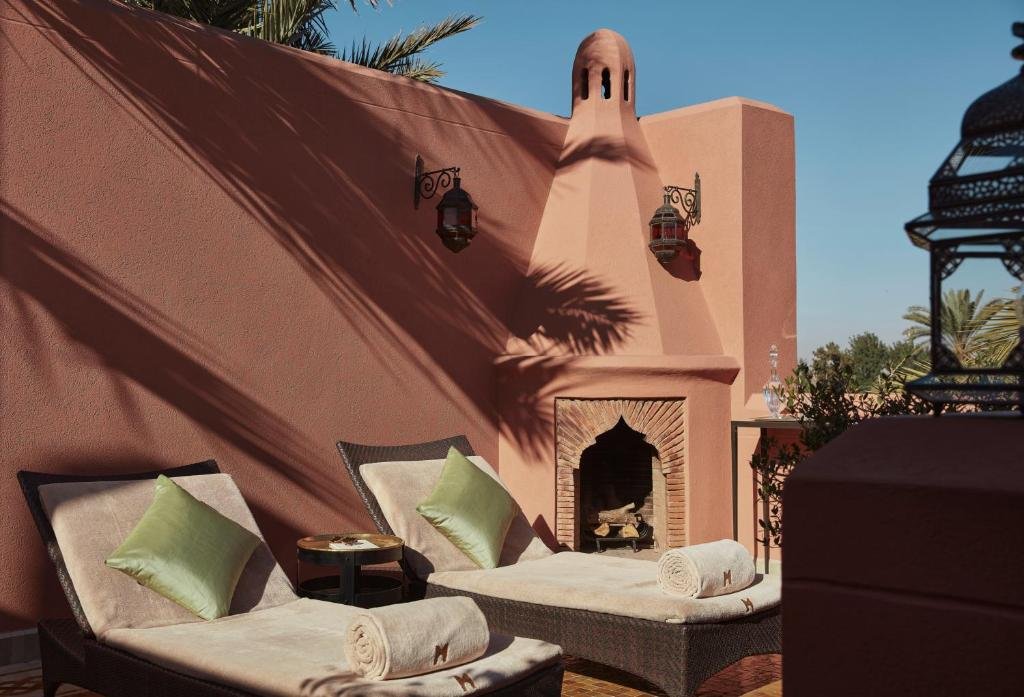
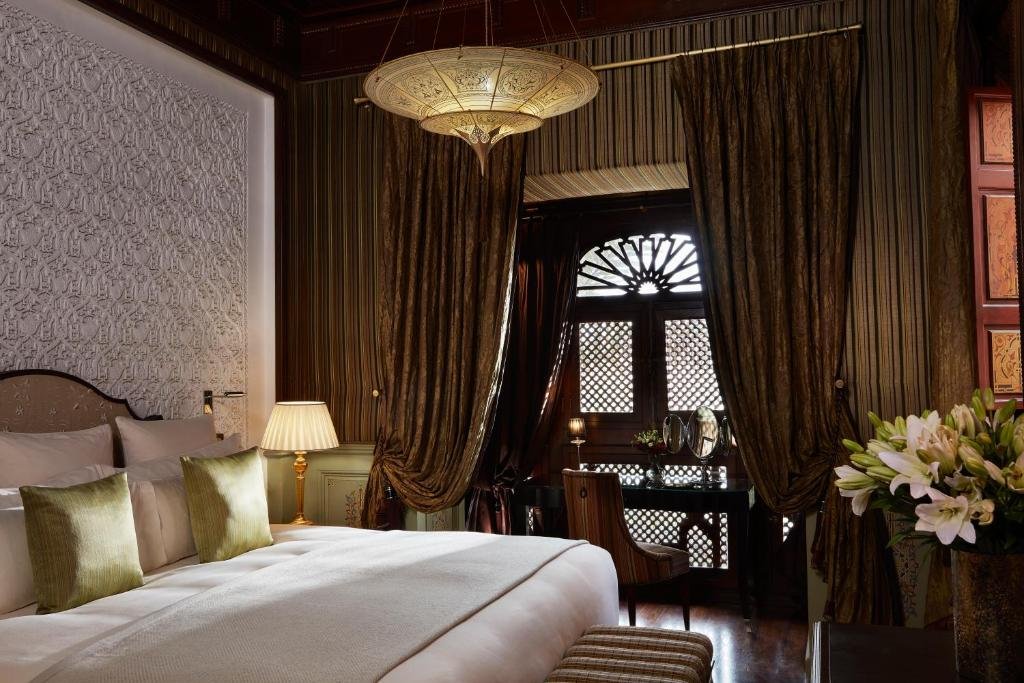
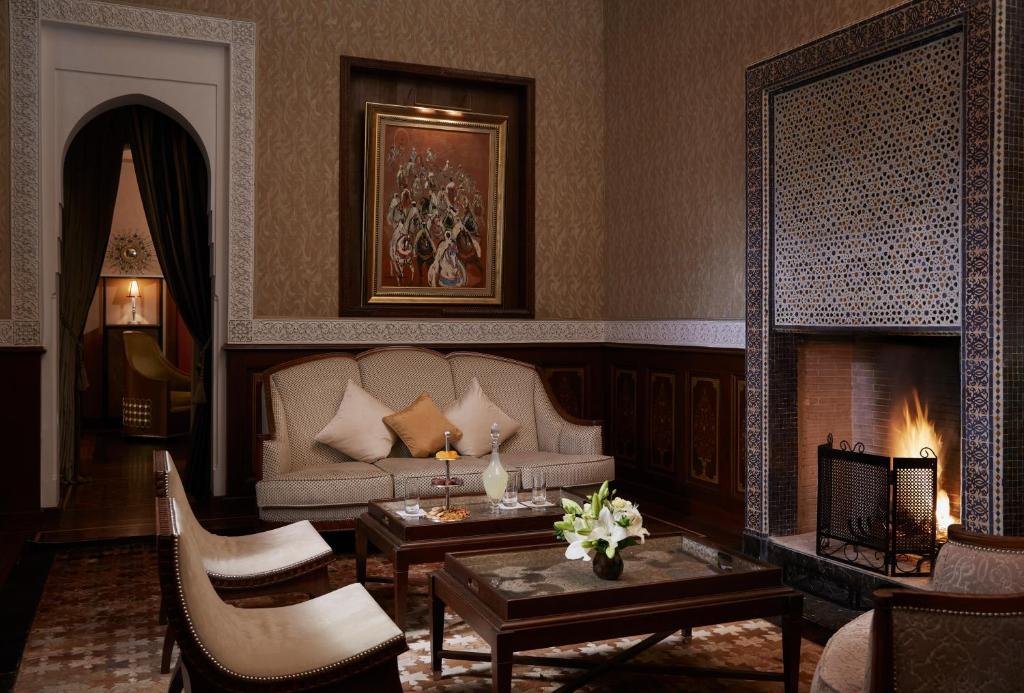
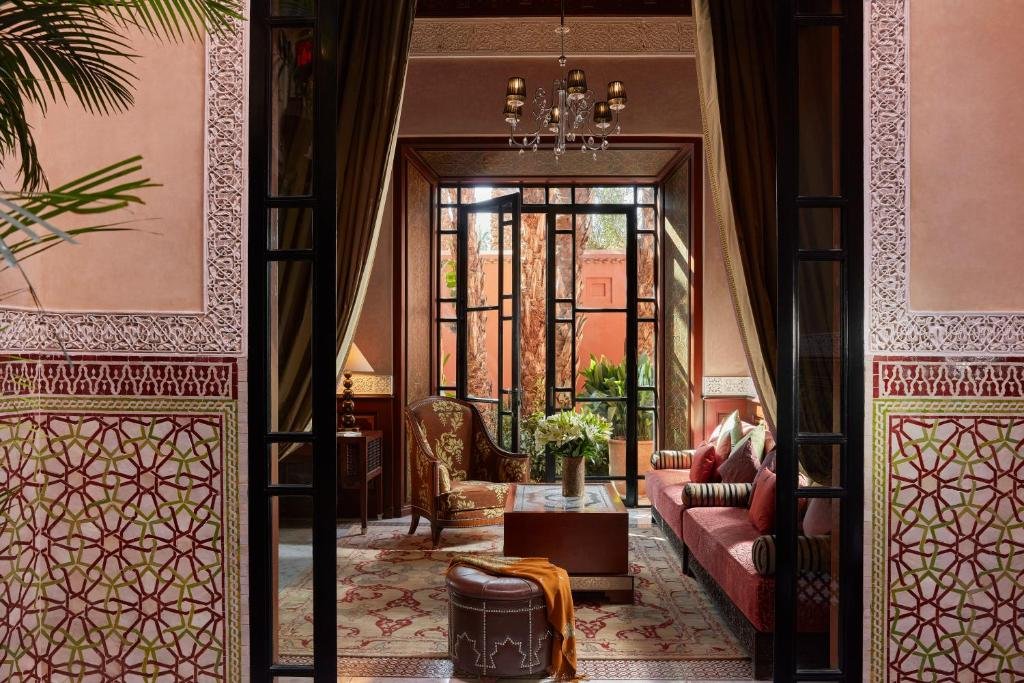
The architecture studio Studio KO is known for projects in which architecture and landscape almost merge. One of Studio KO’s most famous projects is the interiors of the Royal Mansour Hotel in Marrakech, Morocco. The hotel’s interior uses natural materials – local stone, wood, terracotta – and the spaces are designed to promote peace and intimacy. Every detail, from the floor to the decorative elements, is created according to the principles of handmade (in English “artisanal“) with an emphasis on sustainability and local heritage. The result is an interior where modern luxury and cultural authenticity blend harmoniously, creating a calm and elegant environment.
Local design and the renaissance of craftsmanship
Another important trend is the renaissance of local creators and craftsmen. In interiors, objects created in small workshops, rather than in large factories, are increasingly appearing.
These can be:
Such objects give the interior uniqueness and reduce the impact of transportation on the environment. In addition, they help preserve traditional crafts.
Sustainable interiors in 2026 are more than a design trend. It is a space where every material has its own story, every piece of furniture and lamp is a testament to handmade craftsmanship. From soft, sensual fabrics to artisanal and antique furniture, from minimalist elegance to eclectic luxury full of colors and textures – modern interiors invite you to live consciously, feel every surface, and discover beauty in details. Sustainability becomes a true luxury here: an invisible but tangible element that gives the home a sense of authenticity, tranquility and long-term value. It is an interior that not only decorates, but also tells a story, invites you to let time and life into your space – a space where aesthetics and responsibility merge into a harmonious whole.