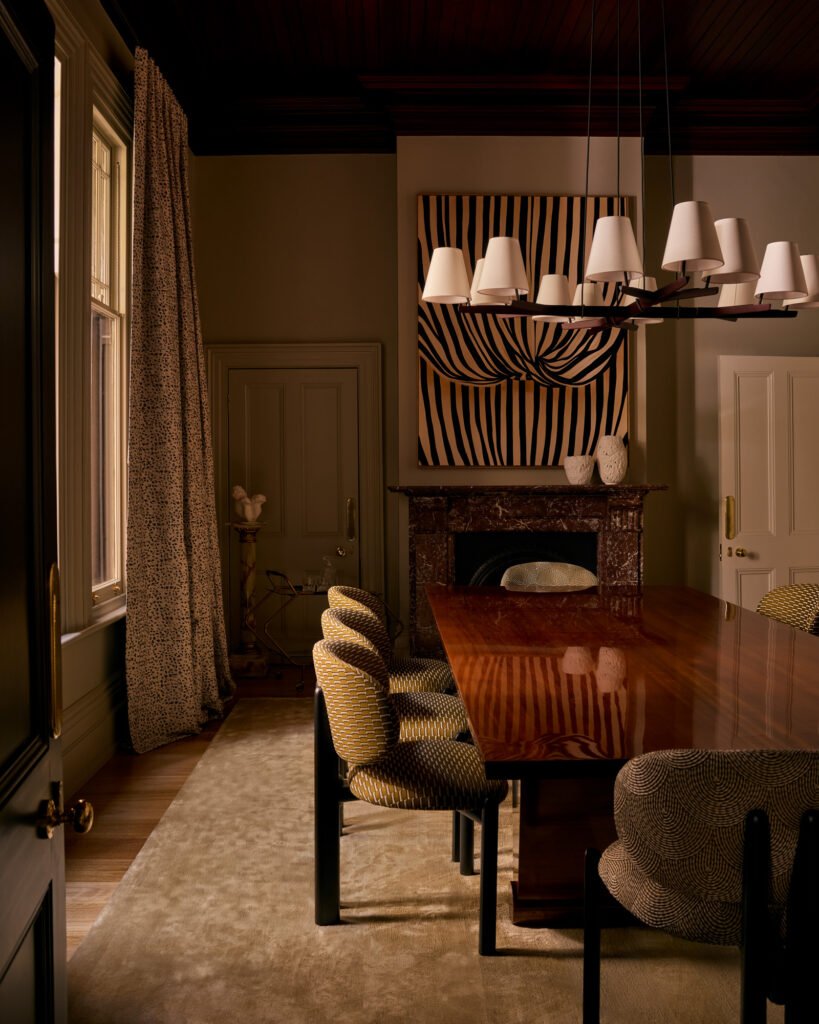
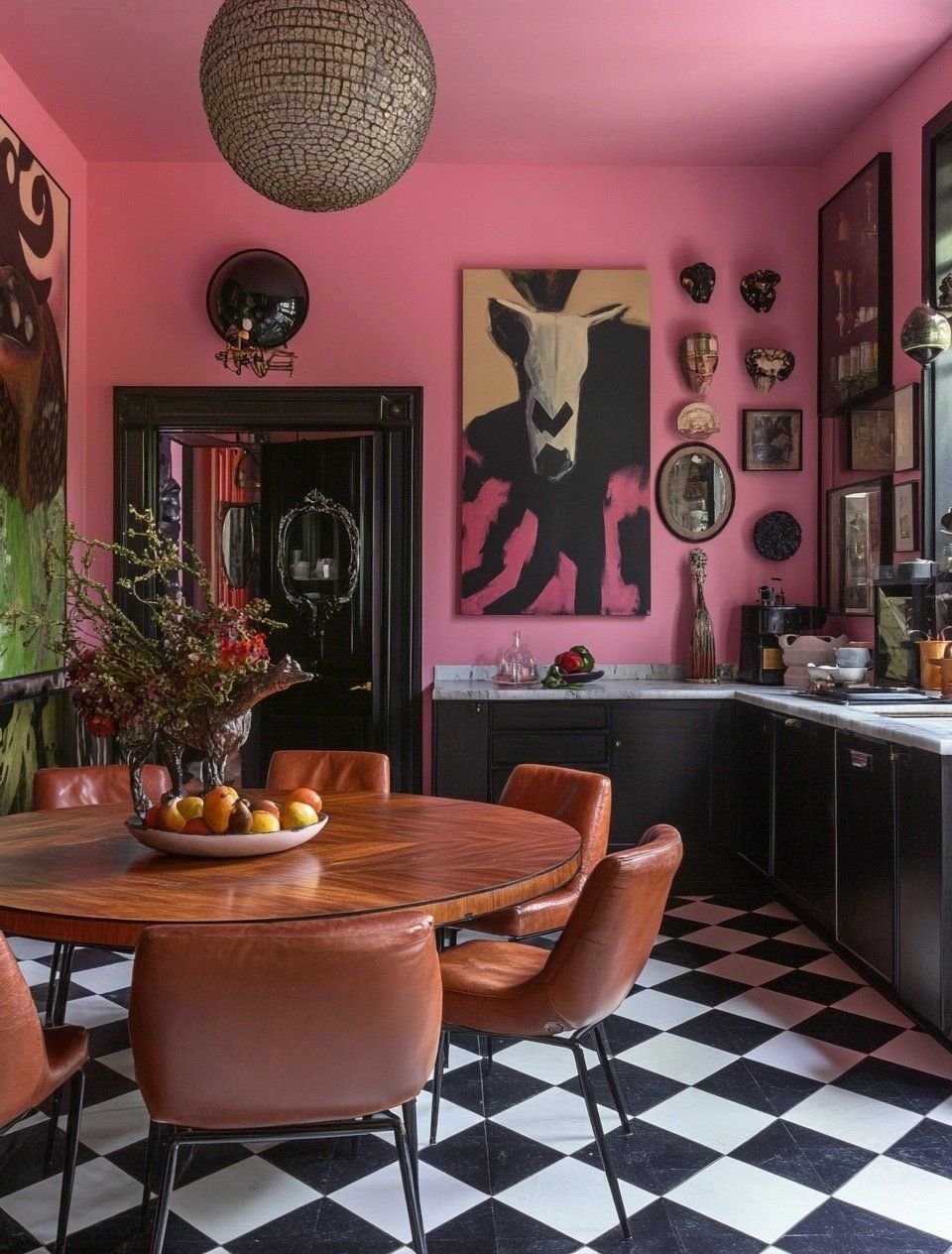
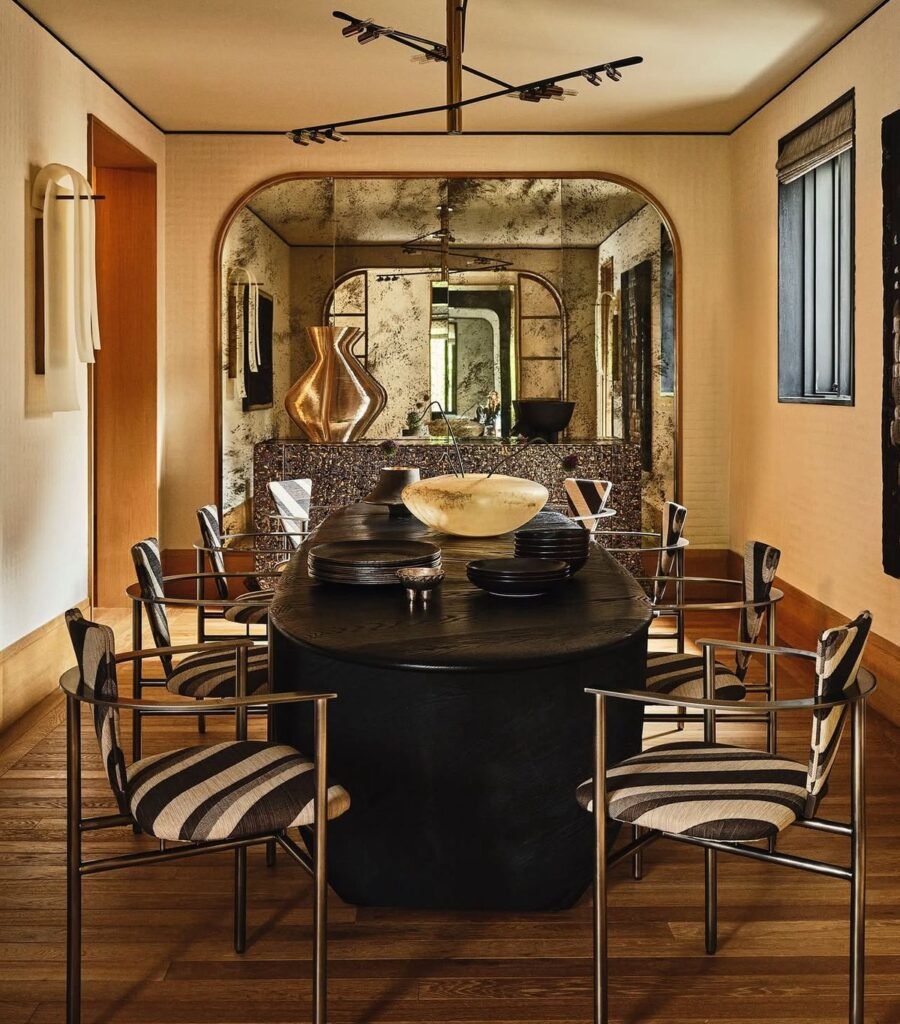
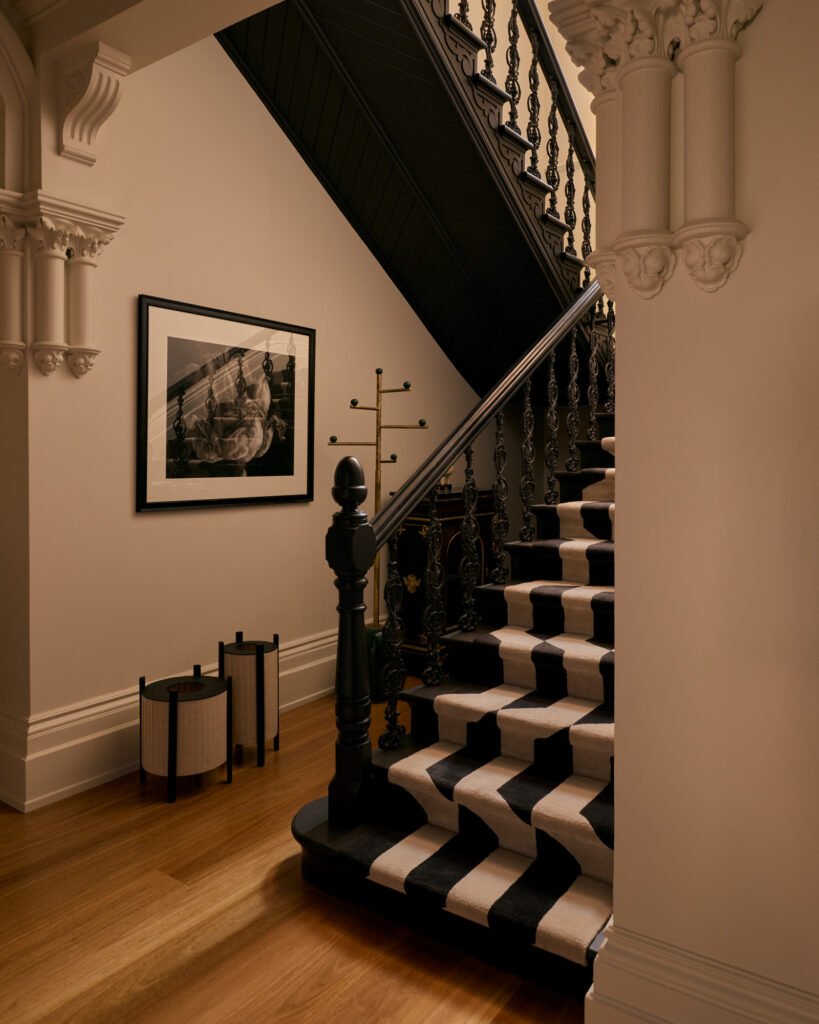
Modern maximalism has nothing to do with random excess. It is a conscious choice – the courage to fill space with color, pattern and cultural memory. In a modern interior, maximalism becomes a counterbalance to sterility: it returns emotion, character and individuality. Here, patterns do not decorate – they speak.
In 2026, bold patterns in interiors are no longer temporary accents. They become the foundation around which the entire logic of space is built. This is not nostalgia for the past, but a modern approach to life, in which homes are not afraid to be visible, memorable, and personal.
Every successful maximalist interior has one dominant pattern – the one that first catches the eye and sets the tone for the entire space. This could be:
Visual rule: the main pattern should be the largest scale and have the brightest color energy.
In a maximalist interior, patterns are no longer a backdrop. They occupy walls, floors, ceilings, furniture and textiles – boldly and without apology. Large-scale floral motifs, graphic geometric designs, optical illusions or wallpapers based on historical ornaments become the center of the space.
Importantly, these patterns are not chosen randomly. They often have a cultural or artistic context: inspired by Art Deco, Bauhaus, Baroque, African or Asian textile traditions. However, in contemporary maximalism they are interpreted in a modern way – with bright colors, unexpected scales or bold contrasts.
Today’s maximalism is not afraid of visual intensity. On the contrary, it controls it. Patterns are layered to create rhythm, not noise.
Follow the 60/30/10 rule – dominant, accent and accented patterns. Successful pattern combinations almost always rely on scale contrasts, which allows the eye to “rest” and creates a natural visual rhythm:
Avoid: multiple patterns of the same scale in one space – this is the most common cause of chaos.
Bright patterns require colors that do not contradict them, but support them. In a maximalist interior, colors are often rich, deep and emotional: emerald green, cobalt blue, purple, mustard yellow, carmine red. These colors are not afraid to be used in large areas – on walls, ceilings, even floors.
An important feature of modern maximalism is unexpected color combinations. Warm colors are combined with cool ones, rich ones with pastels, and classic tones with neon accents. This creates visual tension that makes the interior lively and dynamic.
Even the brightest patterns look harmonious if they are connected by a color connection. This does not mean the same colors – it is enough:
Example: emerald green in the wallpaper, carpet, and one cushion creates a visual connection even between very different patterns.
One of the most important principles of modern maximalism is layering. This is the ability to combine several different patterns in one space so that they do not compete, but harmonize. A floral motif can be combined with a graphic stripe, a small ornament with a large abstract pattern, and a classic carpet with modern wallpaper.
Successful layering often relies on contrasts: different scales, color schemes, or pattern intensity. One pattern can be dominant, another supporting, and a third just a subtle hint.
It’s a design that requires courage and visual intuition, but the result is an interior that feels like an editorial composition, not a random collection.
In maximalism, it is important that the patterns differ in their type, but have a similar “mood”. The best combinations:
Avoid: high contrasts (e.g. very romantic pattern + aggressive optical graphics) which can create visual conflict.
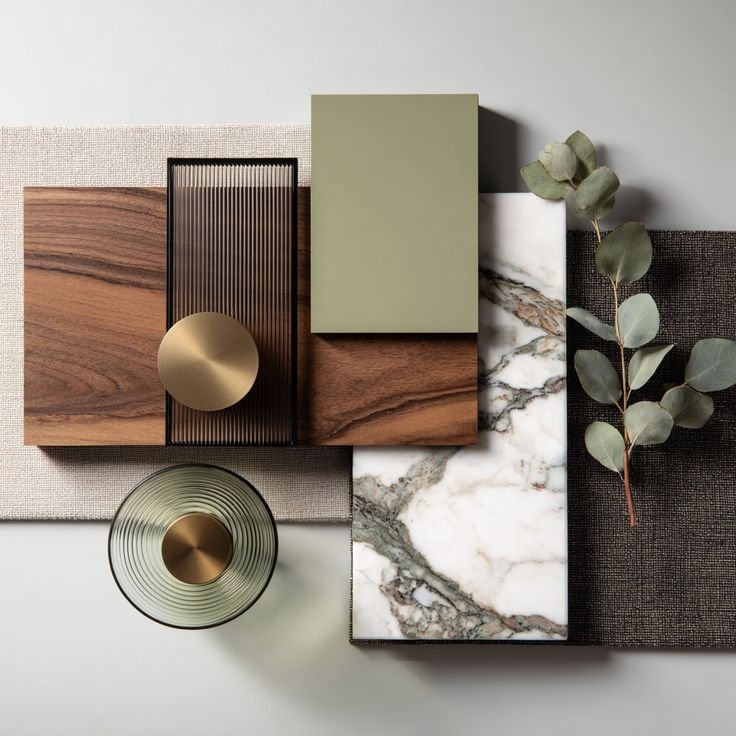
In maximalism, patterns are not limited to surfaces. They move into materials. Marble with bright veins, patterned glass, patterned wood, textured concrete or decorative ceramic tiles become active elements of the interior.
Textiles play a particularly important role here. Velvet, silk, jacquard, embroidered fabrics or handmade carpets enhance the visual effect of patterns and give the space a sense of luxury. The more different textures, the richer the experience.
Metals, often gold, brass or enameled, are used as bright accents, adding to the theatricality of the patterns.
Modern maximalism is not a universal formula. It is a very personal style. It often reflects a person’s cultural background, travels, art collections, and fashion sense. Such interiors often feature artwork, collectibles, vintage furniture, or unexpected details that give the space authenticity.
The most important thing is not to be afraid of emotion. This style allows the interior to be bold, sometimes provocative, but always honest. These are spaces that do not seek to please everyone, but dare to be themselves.
A maximalist interior doesn’t have to be symmetrical. It has to tell a story. Let objects stack naturally:
Modern maximalism proves that bright patterns can be not only decorative, but also intellectual. This is a design that demands attention, but rewards it with character. There is no silence in these interiors – but there is a clear thought. This year, maximalism becomes not a rebellion, but a mature alternative to minimalism. It is the choice of those who want their home to be not a backdrop to life, but an active part of it. We wish that 2026 will inspire bold pattern combinations and successful interior experiments in your home.